HOLIDAYS

Get the latest updates on public holidays and national celebrations to cultural festivals, our reliable public holiday news keeps you in the know

Wednesday 1 April Fools Day around the world

The origins of the customs of the day are shrouded in mystery. Some scholars believe it is likely to be a relic of festivities held to mark the vernal equinox. These celebrations of the first days of spring began on 25 March and ended on 2 April. Certainly, there is some evidence to suggest that 1 April was observed as a general festival in pagan Britain.

More commonly, the customs are associated with the switch to the Gregorian calendar in France during the sixteenth century.

Historically, many parts of the world celebrated 1 April as New Year’s Day – due to its relationship with the start of Spring.

France was one of the first countries to adopt 1 January as their official New Year’s Day, by decree of Charles IX in 1564. This was before the 1582 adoption of the Gregorian calendar.

The gifts and traditions which had been the feature of the 1st of April switched to January 1st. However, many people either refused to accept the change or did not hear about the news for several years. Those who still celebrated April 1 were seen as ‘fools’ by the general populace, and fair game to be the butt of pranks and tricks were known as a “poisson d’avril” or “April fish.” 

The traditions spread to England and Scotland in the eighteenth century and was brought to the American colonies by both the English and French.
Tuesday 31 March Freedom Day in Malta

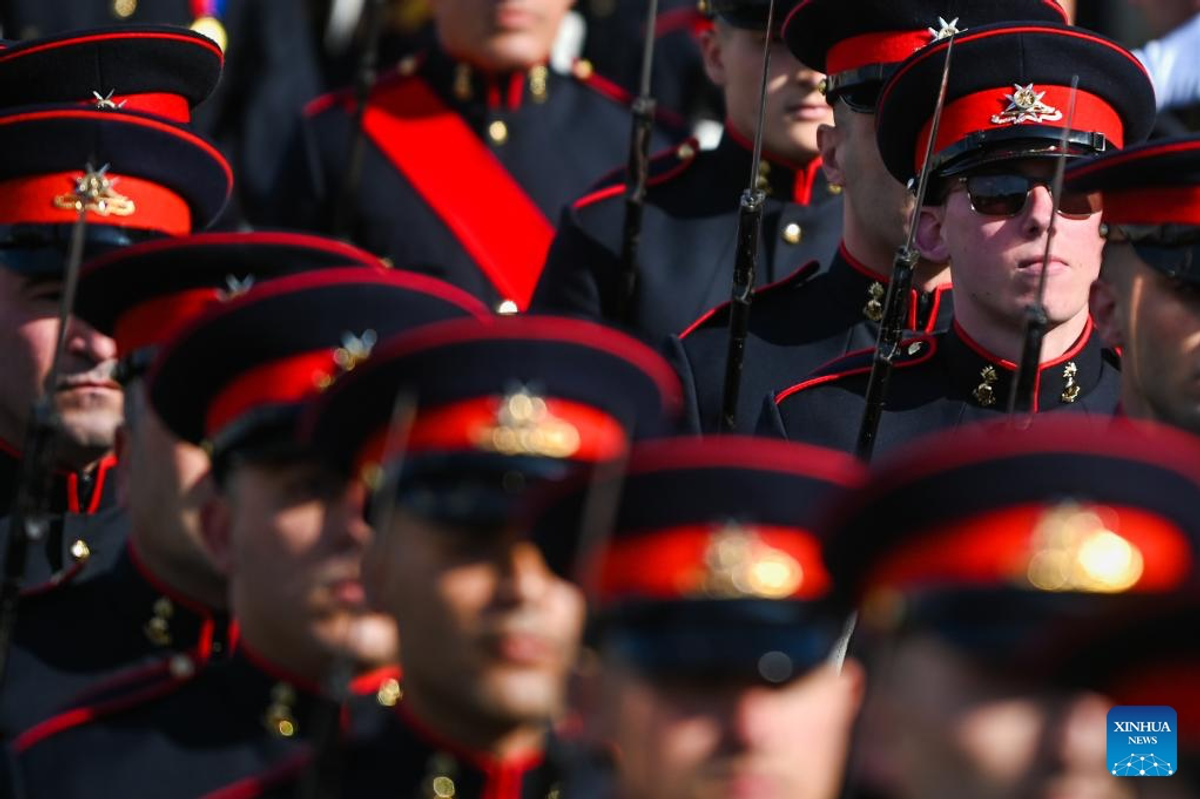
In 1814, Malta had become a crown colony of the British Empire after the British had help expel occupying French forces.

Following the heroic defense of the island during World War II, King George VI had promised the Maltese people self government which they gained in 1947. This eventually led to independence from Britain in 1964 and Malta becoming a republic later that year.

British forces remained on the island until 31 March 1979, when the Defence Treaty with Britain came to an end.

The removal of British was partly financial. When the Labour government came to power in Malta in 1971, it renegotiated the the lease agreement that allowed British forces to stay on the island until 1979 at an increased rent.

This withdrawal meant that for the first time in over a thousand years, Malta had no foreign military presence on its land.

The main events of the activities commemorating this date take place at the Freedom Day Monument at Vittoriosa and at the War Memorial in Floriana. In the afternoon the Grand Harbour hosts a competitive regatta.

Monday 30 March Spiritual Baptist Day in Trinidad and Tobago

Spiritual Baptist is a religion that developed from similar faiths in several Caribbean countries. It combines elements of Protestant Christianity with African customs and rituals. 

The Baptist faith in Trinidad is a legacy of the Merikin community. The ‘Merikins’ were African-American refugees of the War of 1812 – freed slaves who fought for the British against the Americans during the war of 1812. Following the end of the war, the Merikins established a community in the south of Trinidad. They brought the Baptist faith, having been part of evangelical sects common in places such as Georgia and Virginia.

In 1917, practising the religion was prohibited under the Shouter Prohibition Ordinance by the British colonial government. The reason given was that the noise created their services was disturbing the peace. The ordinance was introduced by then-attorney general Sir Henry Gollam who described the way members of the faith worshipped as an “unmitigated nuisance.” Another possible reason behind the ban is that the leaders of the other established religions saw the popularity of Spirtual Baptists as a threat.

For the next 34 years, it was against the law to take part in a Shouter Baptist service or use a property for that purpose and the penalty was a fine of $240.

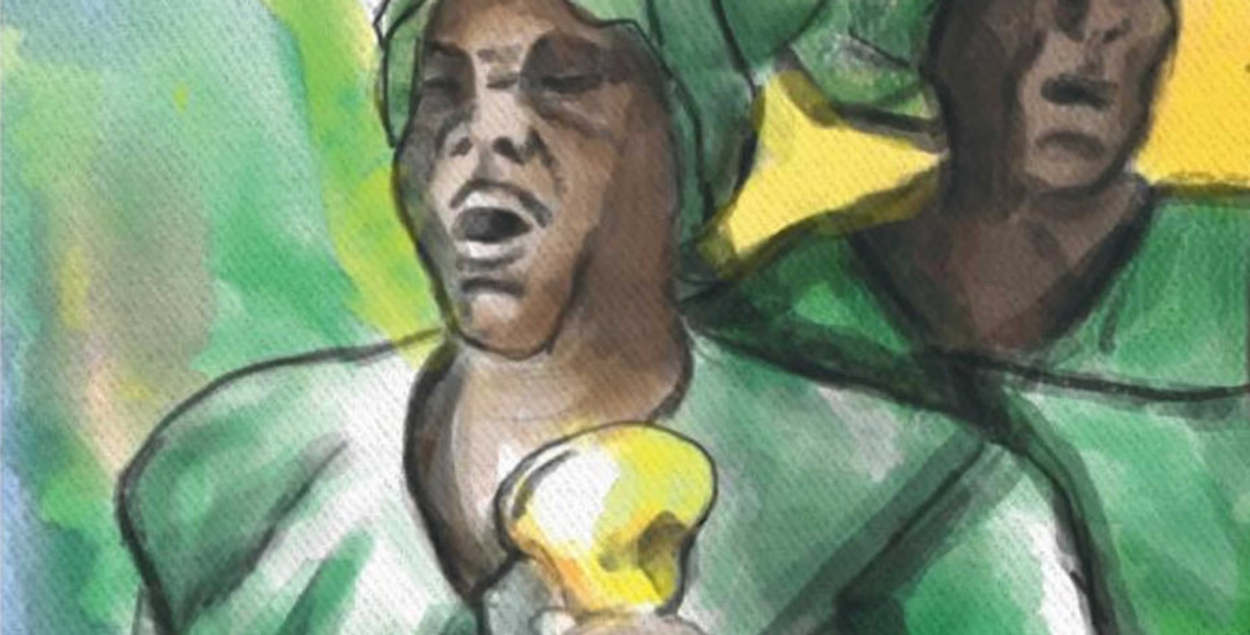
Spiritual Baptists are sometimes referred to as ‘shouters’, as, during services, they shout, clap, sing loudly and ring bells. During the time of the prohibition on their religion, the Spiritual Baptists dropped the name Shouter Baptists in order to gain more respect for their religion. 

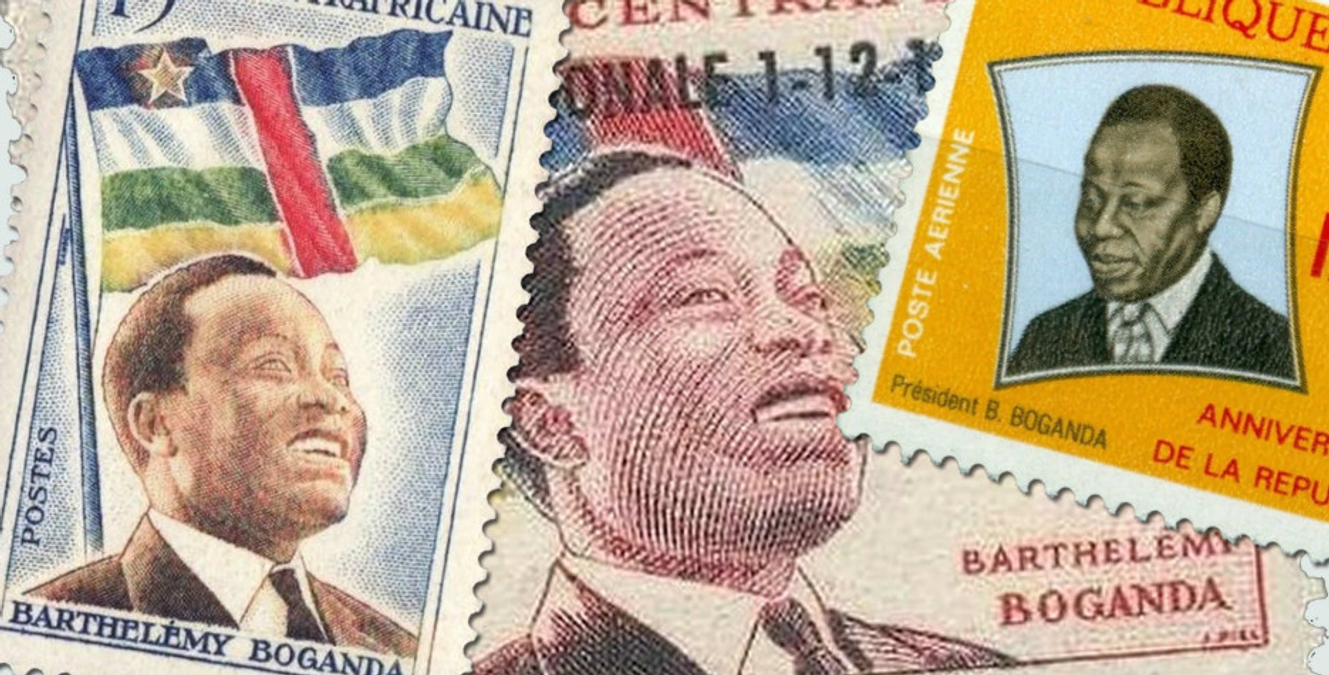
Sunday 29 March Boganda Day in Central African Republic

Barthélemy Boganda was a leading nationalist politician and the driving force in the creation of the Central African Republic in 1958.

Before his political career, Boganda had become the first African Roman Catholic priest in Ubangi-Shari, a French colony that is now part of the CAR. He became involved in politics and in 1946 he was elected to the French National Assembly, becoming the first representative of the CAR in the French government.

His strident anticolonial views led to him becoming disillusioned with the French political system and leaving the priesthood in 1949; and forming his own political party, the Social Evolution Movement of Black Africa.

Hugely popular, Boganda became the president of the Grand Council of French Equatorial Africa (which also included Chad, Gabon, and the French Congo) in 1957. His vision was for a pan-African movement to unite several African states.

Boganda became the first prime minister of the Central African Republic on 1 December 1958.

Barthélemy Boganda designed his country’s flag using the Pan-African colours and the colours of the French flag.

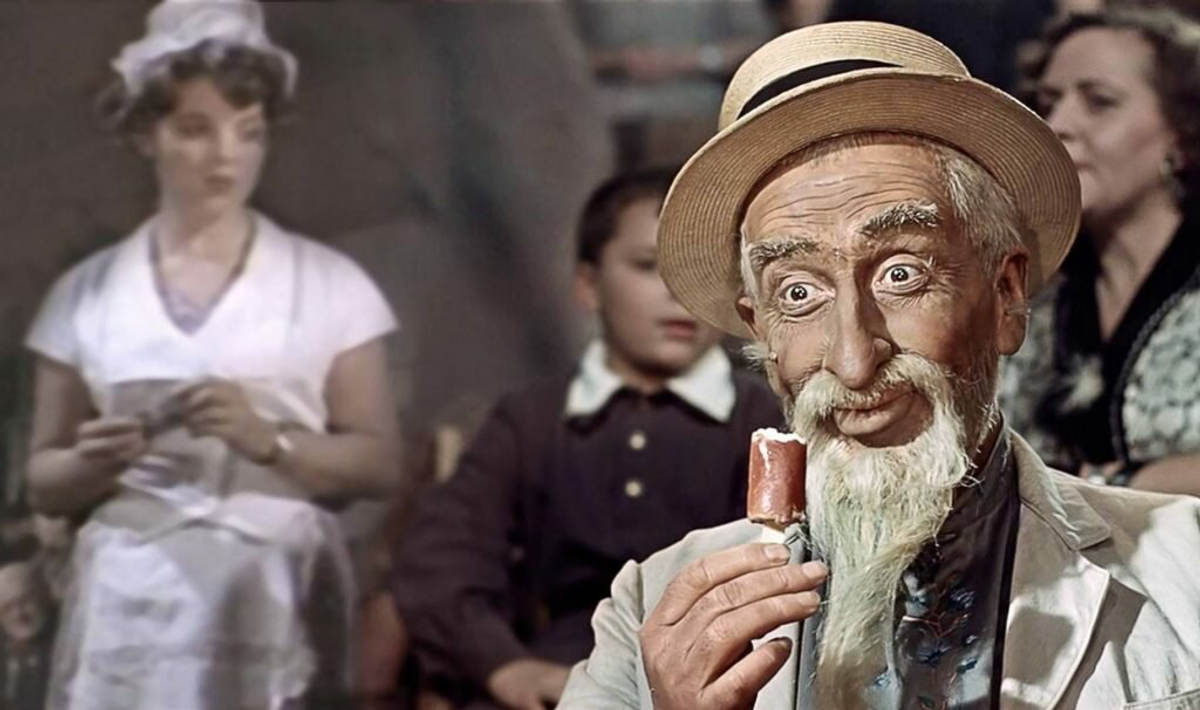
Saturday 28 March Eat An Eskimo Pie Day

Eskimo Pie was first created on January 24, 1922. This frozen treat consists of a vanilla ice cream bar covered in chocolate and has a stick in it that makes it easy to eat. However, this ice cream treat is no longer known as an Eskimo Pie.

During the 2020-21 George Floyd protests, this treat was changed to Edy’s Pie—the last name of Dreyer’s co-founder, Joseph Edy. That’s because the term “Eskimo” is considered to be a colonial name for the Aleut, Inuit, and Yupik peoples and is considered not only to be inappropriate but also a form of cultural appropriation. So maybe this holiday should be renamed Eat an Edy’s Pie Day.

In Russia the traditional “Eskimo Pie” recipe appeared in the early 1930s, quickly garnered a huge fanbase, across all ages & ethnicities, soon became a tasty staple!

Christian Nelson decided to invent this treat after he and his friend went to a corner drugstore, and he watched his friend debate whether he should buy ice cream or a chocolate bar. His friend ultimately decided to buy the ice cream, but the decision perplexed Mr. Nelson. He asked his friend why he didn’t buy both treats, and his friend responded that he simply didn’t have enough money to buy both. That is when Nelson decided to create a treat that combined chocolate and ice cream.

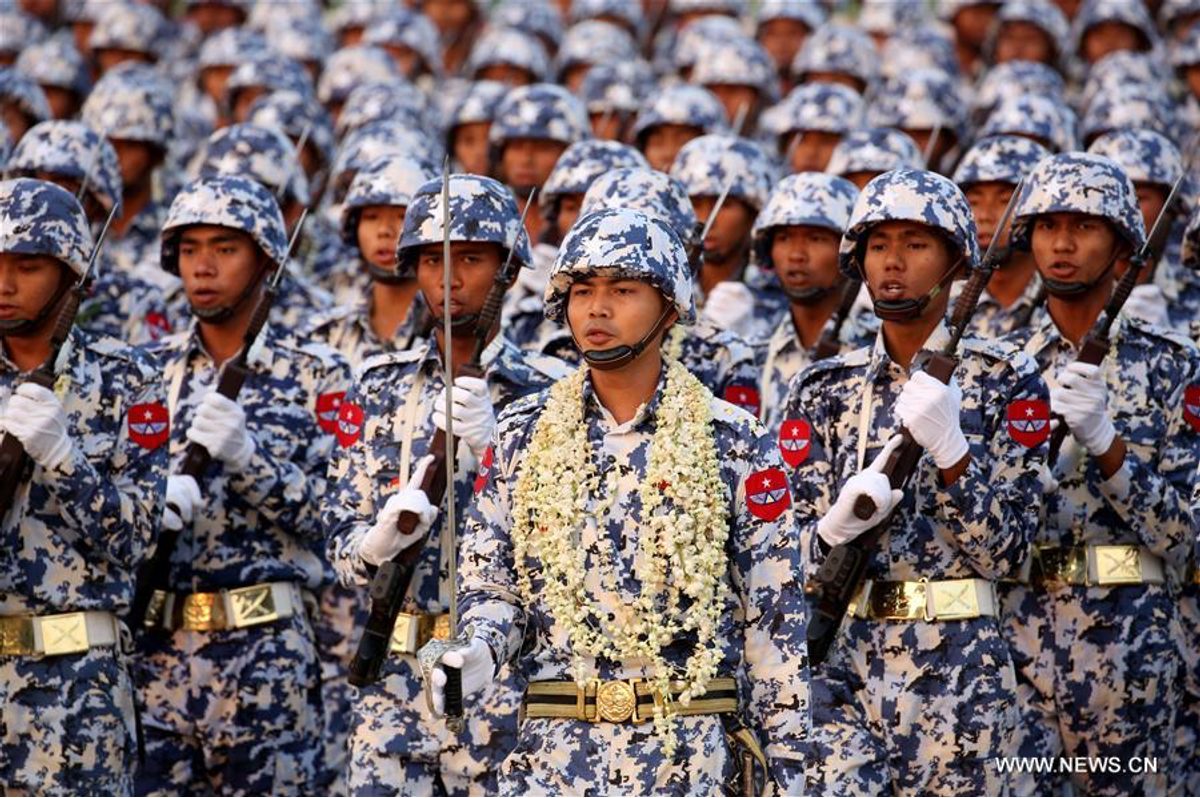
Friday 27 March Armed Forces Day in Myanmar

In 1886, Myanmar (then called Burma) came under British control. From the earliest days of colonisation, there was a strong feeling of resentment against the rule of the British.

During World War II, Some Burmese saw the rise of Japan as an opportunity to gain independence from Britain. Aung San was a prominent figure in the independence movement, but he had been exiled to China. He collaborated with Japan, having been convinced they would make Burma an independent nation if they helped drive out the British.

With Burmese nationalist support, Japan took control of Burma in 1942. However Aung San came to realise that the Japanese had no intention of giving independence to Burma and on March 23rd 1945, he led the Burmese army in a rebellion against the Japanese that helped the Allied forces remove the Japanese from the region.

Not surprisingly, the key event on this day is a large parade by the Tatmadaw, the Myanmar military in Naypyidaw, the capital of Myanmar.

Originally this holiday was called Resistance Day, but it was renamed to Armed Forces Day by the Tatmadaw.

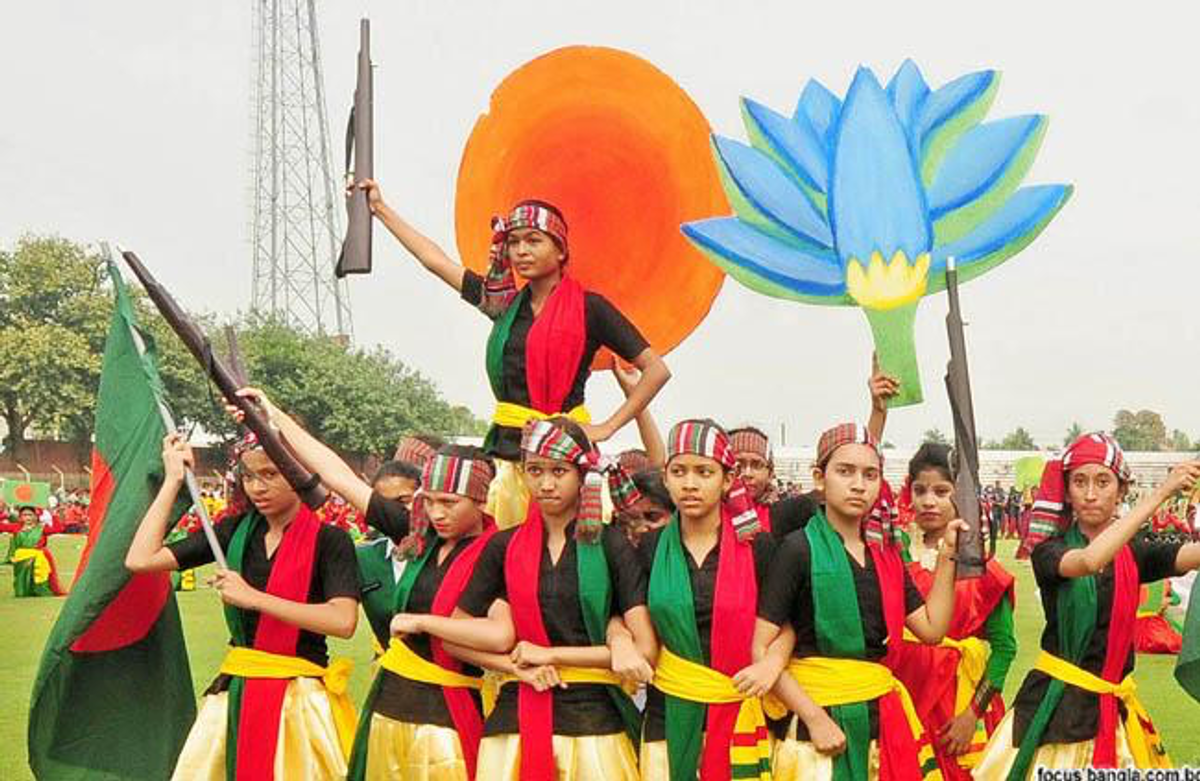
Thursday 26 March Independence Day in Bangladesh

In 1947, India was partitioned by the British, creating the ‘Dominion of Pakistan’, which was two separate regions to the northwest and northeast of India. The new dominion was governed by West Pakistan, which led to friction between the two regions, with the first signs of a movement for autonomy for East Pakistan appearing in 1949.

In the 1970 general elections, the Bangla-based Awami League, led by Sheikh Mujibur Rahman won an overall majority, but the West Pakistani regime was reluctant to hand over power. On March 25th 1970, Pakistani troops were used to quell the growing unrest.

This led to the Independence of Bangladesh being declared by Sheikh Mujibur Rahman on March 26th 1971 and marked the start of the war of Independence. In November 1970, India entered the war, supporting East Pakistan. This led to victory for East Pakistan on 16 December 1970 (marked by the Victory Day holiday).

On gaining its independence, East Pakistan was renamed Bangladesh.

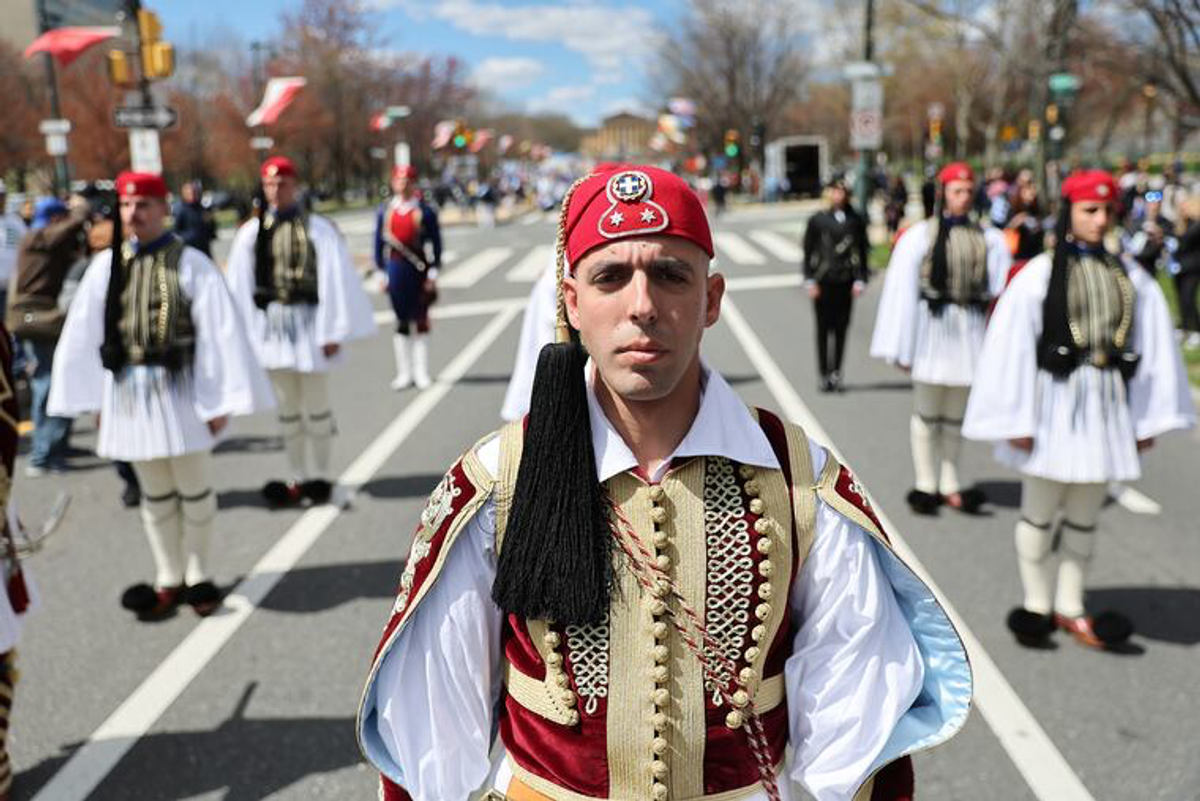
Wednesday 25 March Greek Independence Day around the world

In 1821, the Greeks rose up against the Ottoman Empire which had occupied Greece for almost 400 years, leading to the war of independence.

Bishop Germanos of Patras raised the Greek flag at the monastery of Agia Lavras, inciting the Peloponnese to rise against the oppressors.

While the exact date probably may not have been March 25th, it is acknowledged to have occurred in late March and it was gradually associated with the religious Feast of the Annunciation.

On this day in the Orthodox calendar, the archangel Gabriel appeared to the maiden Mary and informed her that she was pregnant with the divine child.

The first modern Greek state was founded in 1828 under the name “Hellenic State” and consisted of the Peloponnese and part of Central Greece. The first governor was John Kapodistrias who founded schools and orphanages and helped make great advances in the development of the Greek economy and education.

Kapodistrias is still honoured in Greece today; the Greek euro coin of 20 cents bears his face.

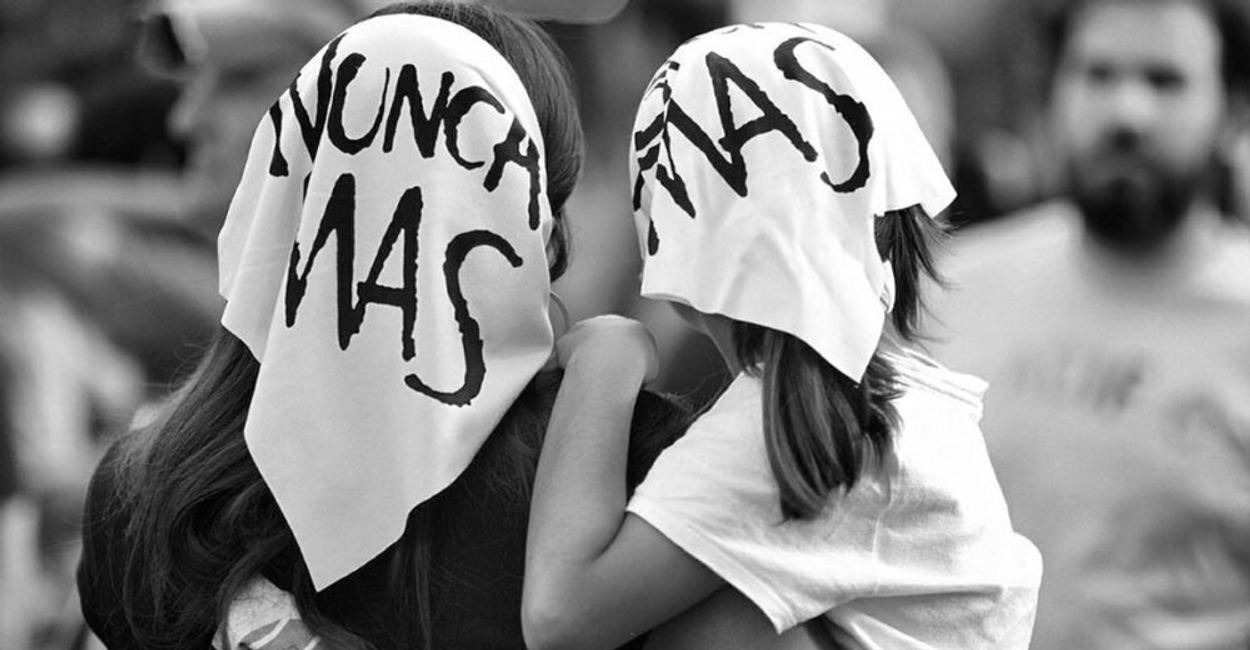
Tuesday 24 March Truth and Justice Memorial Day in Argentina

This Argentinian public holiday is held on March 24th, the anniversary of the coup d’état of 1976 that overthrew President Isabel Peron and brought the National Reorganization Process to power. The coup installed the bloodiest dictatorship in the history of the country, led by General Jorge Rafael Videla, Admiral Emilio Eduardo Massera and Brigadier-General Orlando Ramón Agosti.

It was this that started a period of state terrorism aimed at left-wing guerrillas, political groups, and socialists.

During over seven years of dictatorship, Argentine security forces, along with right-wing death squads such as Triple A, hunted down anyone believed to be associated with socialism, left-wing Peronism, or the Montoneros movement. While nearly 10,000 people are known to have ‘disappeared’ under the junta, the true number may have been much higher as so many documents and records were destroyed by the military. The actual figure may have been over 30,000 students, activists, trade unionists, writers, journalists, artists and any citizens suspected of being left-wing activists were kidnapped, tortured and disappeared. The military junta silenced any political or ideological dissidents, even those seen as antithetical to its neoliberal economic policies.

The period lasted until December 1983 when democratic elections were held to install a new president.

The commemoration was sanctioned as Law 25633 by the Argentine National Congress on August 1st 2002, and promulgated by the Executive Branch on August 22nd of the same year. However, it was not implemented as a public national holiday until 2006.

The day is marked by peaceful rallies and marches by those who lost loved ones during the period. Hundreds of thousands of citizens, relatives of the disappeared people, members of social movements, human rights organizations and left-wing political parties march to the Plaza de Mayo in the capital Buenos Aires to commemorate the victims of the last dictatorship and demand justice for the crimes against humanity committed by the State during that period.

Monday 23 March Pakistan Day in Pakistan

On March 23rd 1940, the Lahore Resolution was passed which rejected the concept of a United India and proposed the creation of an independent state for Muslims, even though it did not actually mention Pakistan at all.

The resolution paved the way for the creation of Pakistan on August 14th 1947, when Pakistan became the world’s first Islamic republic. August 14th is celebrated as a holiday – Independence Day.

To mark the resolution, the Minar-e-Pakistan (pictured above) was constructed during the 1960s on the site in Iqbal Park where the All-India Muslim League passed the Lahore Resolution

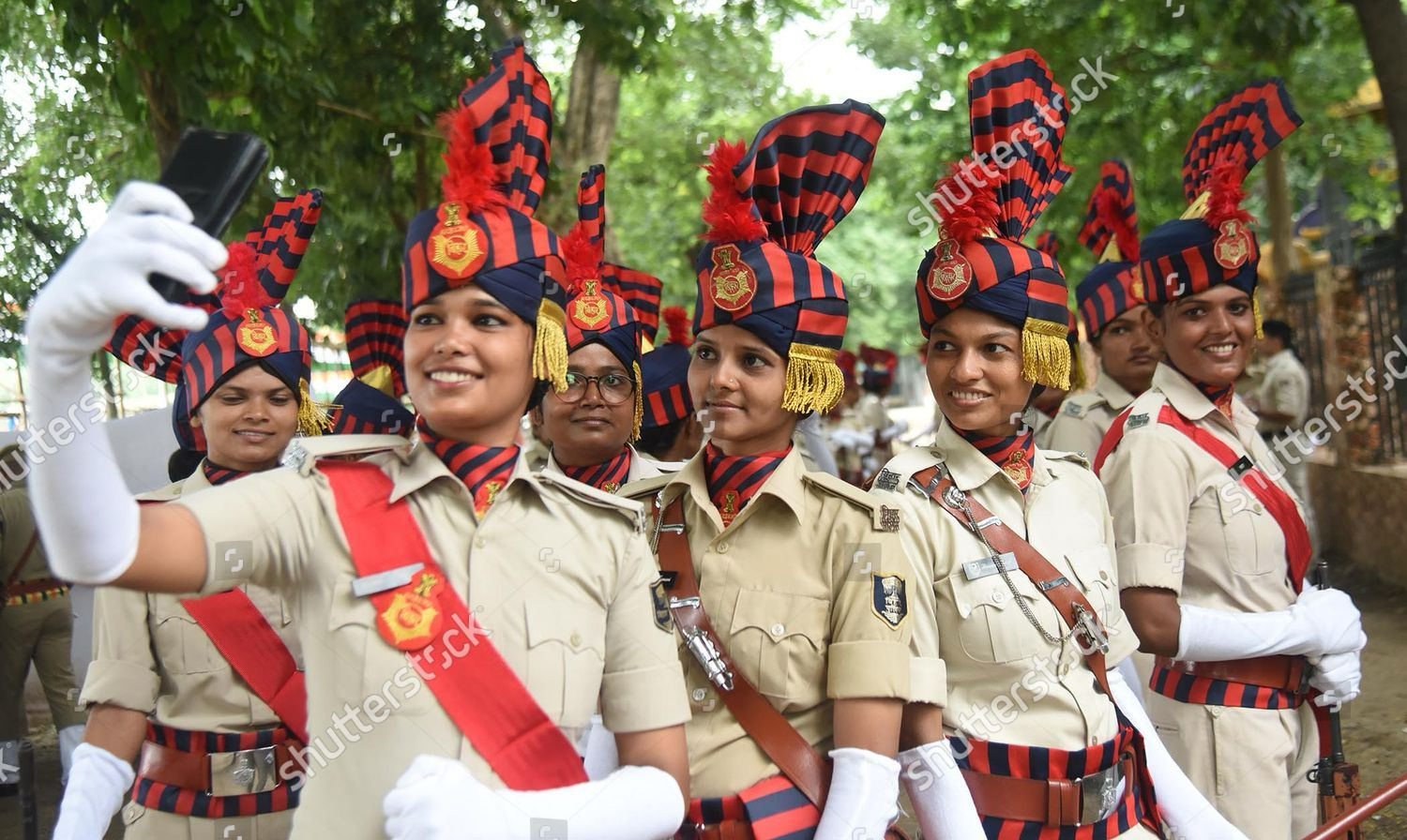
Sunday 22 March Bihar Divas in Bihar India

Bihar Divas is an annual celebration that marks the foundation day of the east Indian state of Bihar.

Bihar was an important region for Buddhists, with many stupas and pillars erected by the Great Emperor Ashoka as a tribute to the Buddha. The National symbol which adorns Indian currency, the Four-Headed Lion was erected atop an Ashokan Pillar that once stood in Bihar. Bihar can also claim the oldest Hindu temple of India still in use at Mundeswari, which dates back to 625 CE.

Following the Battle of Buxar in October 1764, the British East India Company defeated the Mughal Empire and obtained the rights to administer, and collect revenue or tax for Bihar, Bengal and Odisha.

On March 22nd 1912, Bihar state was carved out from the Bengal Presidency of British India. Orissa also became a state as part of this break-up.

The celebration officially began in 2011 and since then it has become a state festival full of fervour and festivity depicting the image and spirit of Bihar.

Gala functions will be organised across the State. Cultural extravaganzas are being organised at a panchayat (town and village) level to involve people’s participation in large numbers.

To commemorate Bihar’s Foundation Day, the State Government of Bihar organises Bihar Utsav, a fortnight-long cultural festival that showcases art, culture, and heritage from Bihar at Dilli Haat in Delhi.

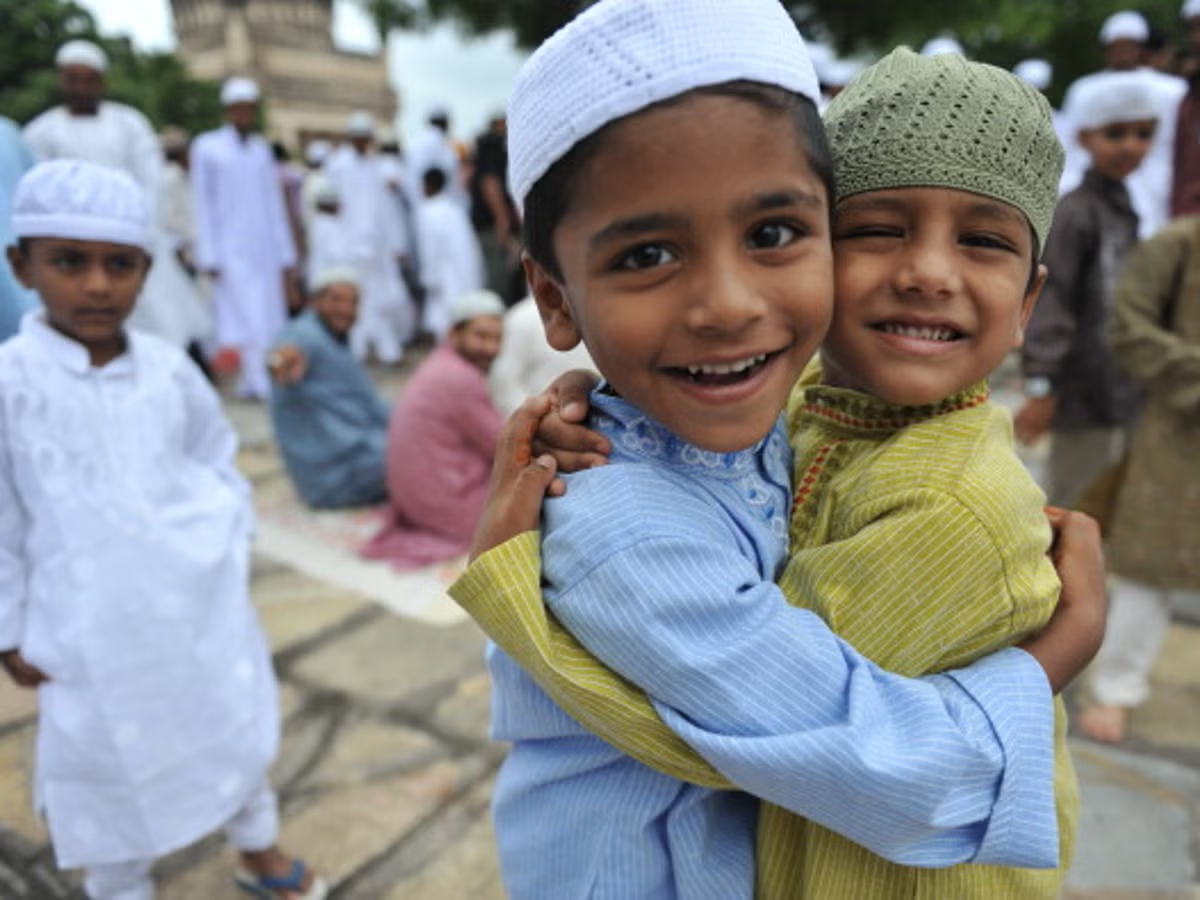
Saturday 21 March Eid ul-Fitr in Ghana

In June 2025, the Ghanaian Parliament approved the Public Holidays and Commemorative Days (Amendment) Bill, 2025, introducing key changes to Ghana’s holiday calendar.

The bill introduces a new public holiday for the Muslim community, known as Shaqq Day, to be observed a day after Eid-ul-Fitr, , a major Islamic festival marking the end of Ramadan.. The day is intended to allow extended reflection and celebration after the Islamic festival.

The Minister for Interior, Mohammed-Mubarak Muntaka said the introduction of this holiday fulfils a key pledge in the 2024 election manifesto of the National Democratic Congress (NDC) and honours the public commitment of President John Dramani Mahama to promote religious inclusivity.

In presenting the Bill to Parliament, he emphasised that the amendment reflects Ghana’s evolving social fabric and commitment to equitable recognition of the country’s diverse religious and cultural identities.

“This amendment is a progressive step toward religious equity,” the minister noted.

“It acknowledges the significance of the Muslim community in our national life and ensures their practices are respected and celebrated,” he said.

Friday 20 March Novruz in Azerbaijan

This is an ancient holiday, which can be traced back 5,000 years to the Sumerians and the Babylonians civilisations. The first records of Novruz as a spring holiday date back to 505 BC.

Like a lot of spring festivals, this idea of purification and starting again is key. Indeed, before Novruz, activities based on renewal like spring cleaning, planting trees, make new clothes and painting eggs are popular.

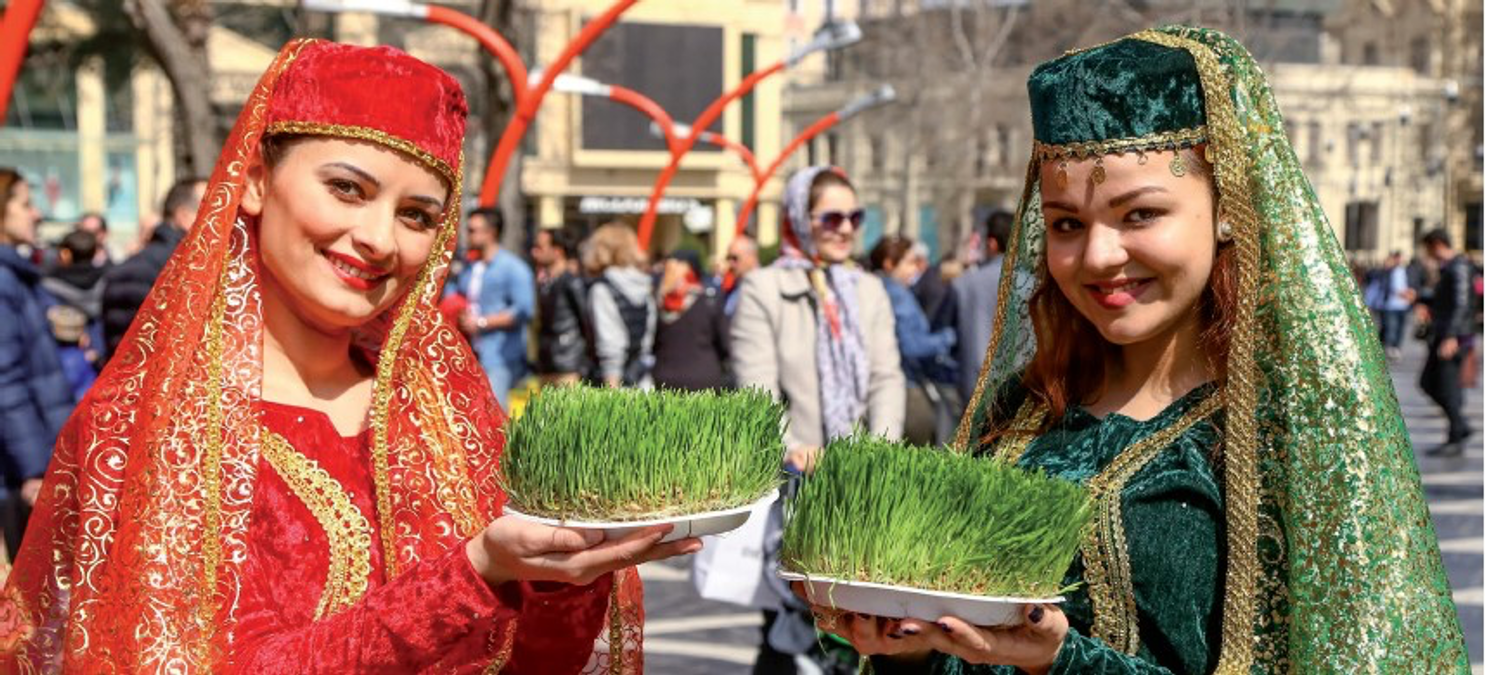
On the day before Novruz, the graves of relatives are visited and tended, then the whole family will gather around the table to enjoy traditional dishes. The table will be decorated with a khoncha with Samani (wheat that was planted on water Tuesday) placed in the centre and candles and painted eggs representing the number of family members around it. The feast will consist of at least seven dishes.

While Azerbaijan was part of the Soviet Union, the celebration of Novruz was given unofficial status and even prohibited. although during the Soviet period. Since the collapse of the Soviet Union, Novruz has surged in popularity and has now regained its position as the key holiday in Azerbaijan.

Novruz (Novruz Bayrami) is the most important holiday in Azerbaijan. It celebrates the Persian New Year, and the beginning of Spring. Novruz means ‘New Day’.

Thursday 19 March St. Joseph’s Day around the world

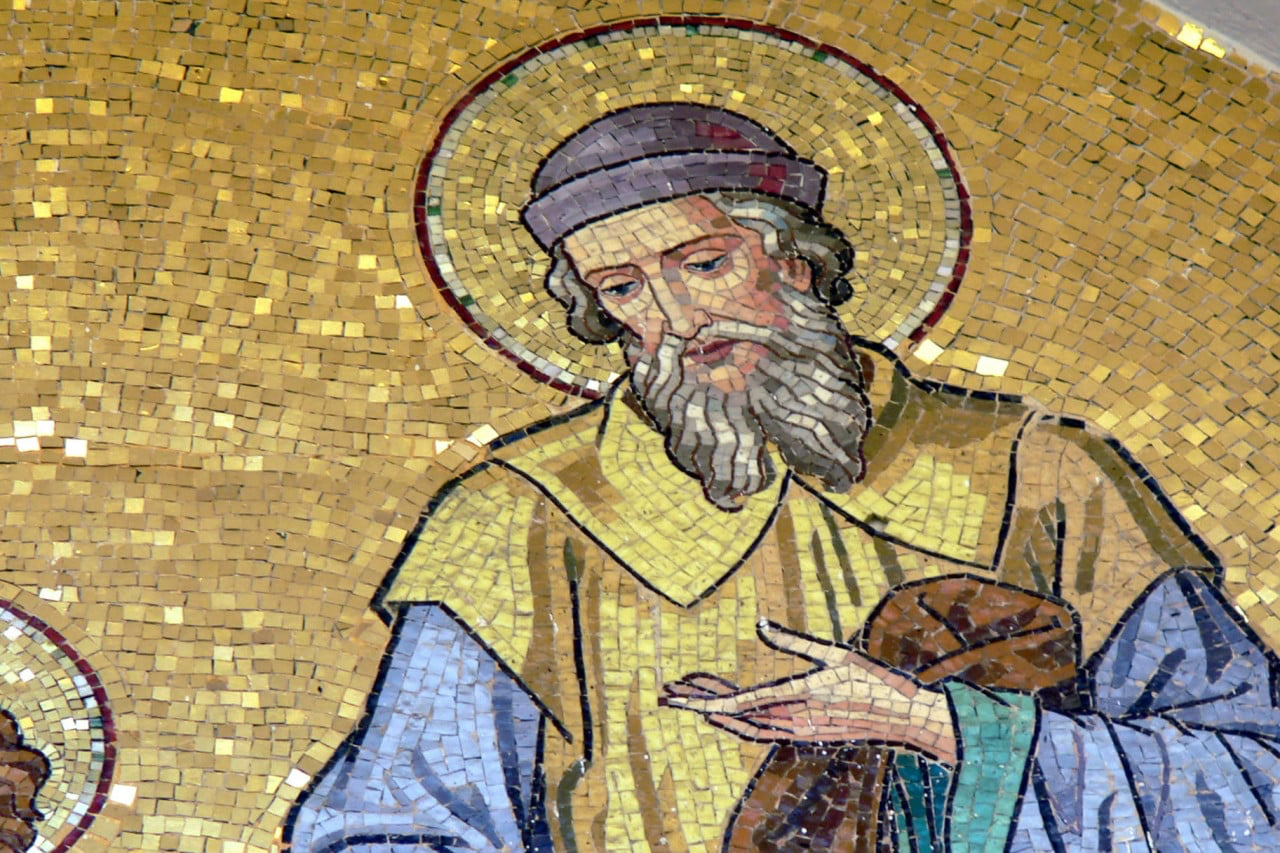
Saint Joseph was the husband of the Blessed Virgin Mary and the foster father of Jesus. All we know about Joseph comes from the accounts of the nativity in the New Testament.

He was a tradesman, commonly he is said to have been a carpenter, but it’s possible he may have been a stone worker. He was said to have been a direct descendent of David, the great king of Israel.

Since Joseph is not mentioned in any accounts of Jesus’ public life, his crucifixion, or resurrection, it is thought that Joseph died before Jesus started preaching.

St. Joseph is the patron saint of the Catholic Church, unborn children, fathers, immigrants, workers, Vietnam and the Philippines.

Despite knowing so little about Joseph, he still has two feast days in the Western church. In his capacity as the patron saint of Workers, 1st May was established as the Feast of “St. Joseph the Worker” in 1955. This is seen as an attempt to counteract the social and non religious growth of Labour Day as a worldwide holiday.

Wednesday 18 March National Anthem and Flag Day in Aruba

Aruba is an island in the southern Caribbean Sea, only 29 kilometres from mainland South America.

The first Europeans to colonise Aruba were the Spanish early in the 16th century. In 1636, Netherlands wrested control of the islands from Spain during the Thirty Year’s War. Apart from two brief periods when the British took over the island during the Napoleonic wars, Aruba has remained Dutch.

On March 18th 1948, the Aruban politician Shon A. Eman presented the first formal proposal for Aruba’s “status aparte” as an autonomous state within the Kingdom of the Netherlands.

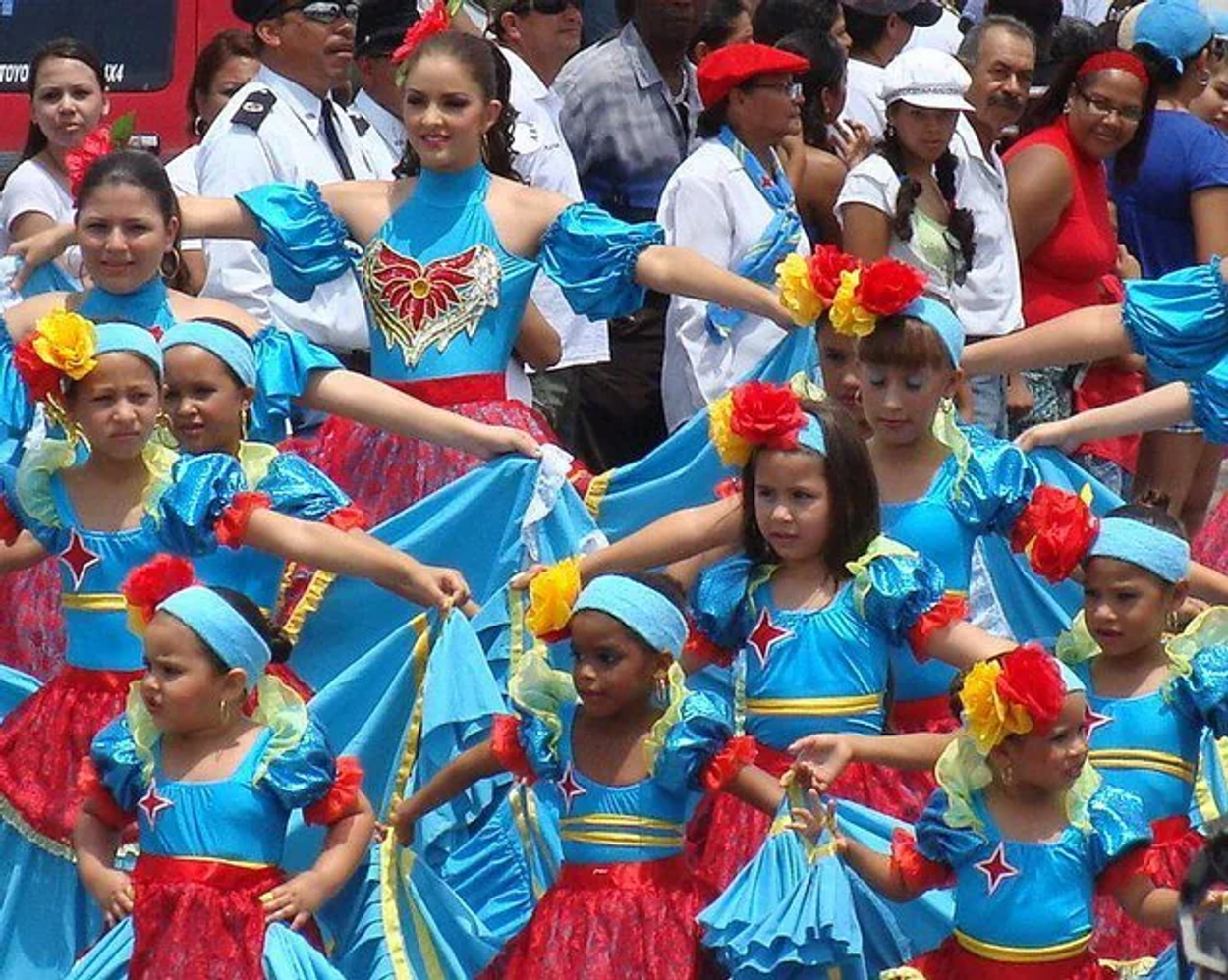
In the 1970s, there was a growing call and expectation for independence, led by Betico Croes. A committee was appointed to choose a national flag and anthem, which were adopted on March 18th 1976, with Croes declaring March 18th as National Anthem and Flag Day.

The flag of Aruba consists of a red star and two yellow stripes on a blue background. The red star represents the four points of the compass, reflecting the diversity of the people of the country. The blue represents the sea. The horizontal yellow stripes denote the free and separate position Aruba enjoys within the Kingdom of the Netherlands.

Tuesday 17 March Night of Destiny around the world

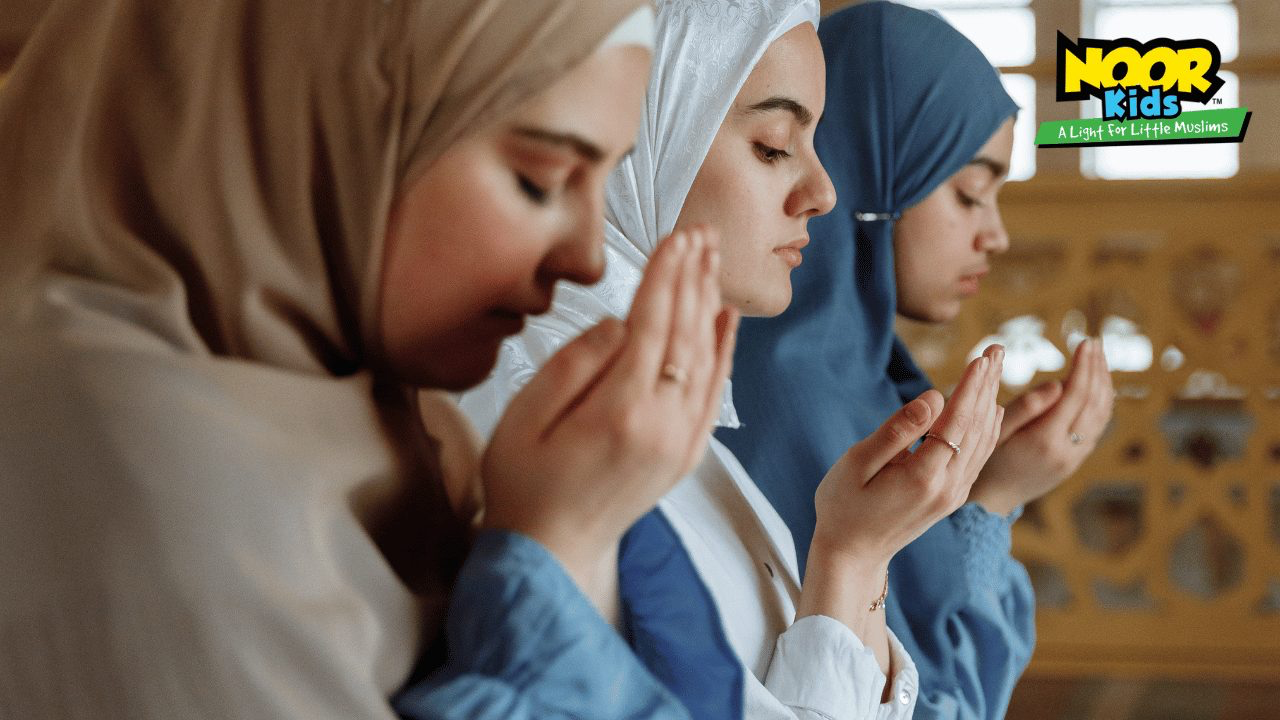
Laylat Al Qadr, also known as ‘Shab-e-Qadr’, the ‘Night of Destiny’ or the ‘Night of Power’ is observed on the 27th Day of Ramadan, the ninth month in the Islamic calendar.

It is considered to be the holiest night of the year for Muslims and marks the night that the first verses of the Qur’an were revealed to the Prophet Mohammed.

The Qur’an does not specify which day of Ramadan, the Night of Destiny took place on, but most Muslims consider it to have happened on an odd-numbered night in the last ten days of Ramadan (21st, 23rd, 25th or 27th). Many Sunni Muslims believe it to be the 27th night, while most Shiite Muslims consider it to have happened on the 23rd.

As a result of this uncertainty, many Muslims will treat each odd-numbered day in the last ten days of Ramadan with increased reverence.

There are also some varying opinions on how much of the Qu’ran was revealed on the Night of Destiny. Some Muslims believe that only a few verses of the Qur’an were first revealed on the night, with the remaining verses revealed over the next 23 years, while some Muslims believe that the whole text was revealed to the angel Gabriel during the night, who then revealed them incrementally to the Prophet Mohammed.

An entire chapter is devoted to the Night of Destiny in the Qur’an, with the night described as being “better than a thousand months” where the angels and the holy spirit Gabriel engulf the Earth, by the permission of Almighty Allah with all decrees.

The Night of Destiny is a highlight of Ramadan. Muslims believe that on this night the blessings and mercy of Allah are abundant and sins are forgiven.

Monday 16 March St. Patrick’s Day in Newfoundland and Labrador

St. Patrick, the patron saint of Ireland, is a widely known historical figure and arguably the most famous patron saint of a country.

Despite this level of fame, we know surprisingly few details about his life. Interestingly he’s not the only recognised patron saint of Ireland, both ‘Brigid of Kildare’ and ‘Columba’ are officially recognised as such.

Also, St Patrick is a patron saint of Nigeria, Montserrat, and Engineers.

The tiny island of Montserrat, known as “Emerald Island of the Caribbean” due to its foundation by Irish refugees from Saint Kitts and Nevis, is the only place in the world apart from the Republic of Ireland, Northern Ireland and the Canadian province of Newfoundland and Labrador in which St Patrick’s Day is a public holiday.

It is generally accepted that St. Patrick was born in Northern England or Southern Scotland to wealthy parents around 385AD. His original name was probably Maewyn Succat. He later adopted Patricius as his Christian/Roman name, which became widely known as Patrick.

While he was only sixteen, Patrick was taken prisoner after a band of raiders from Ireland had attacked his family’s estate in Wales. They took him back to Ireland where he spent six years in captivity as a slave. It is said that it was at this time, while he was working as a shepherd on Slemish mountain that he became a devout Christian.

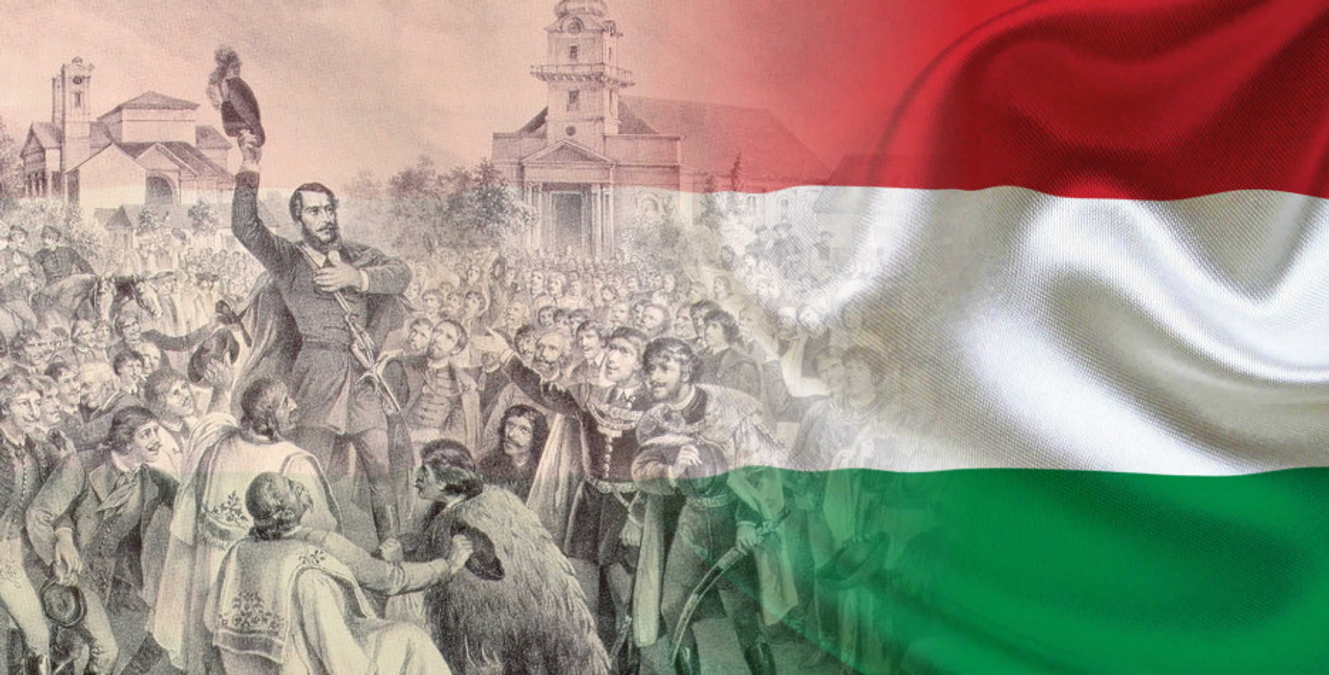
Sunday 15 March Revolution Day in Hungary

Hungary had been part of the Austrian Empire since the early part of the nineteenth century, though it had operated almost as a separate country; it’s strongest bond to the empire was a common monarch.

The revolution in 1848 began following widespread national discontent with taxation and a desire for freedom of the press, freedom of religion and an independent parliament for Hungary. The desire for independence was also driven by other revolutions across Europe at this time.

On March 15th 1848, the poet of the revolution, Sandor Petőfi and his fellow patriots addressed the nation from the stairs of the Hungarian National Museum, reciting the Nemzeti dal (National Song). They declared a list of demands for democratic rights, now known as the 12 Points of the Pest Revolution  – a document widely considered among the nation’s most important texts.

The famous 12 Points called for the establishment of a Hungarian government and an end to all censorship. By the afternoon, thousands had joined in the cause and sparked the Hungarian Revolution, which later secured the nation’s independence.

The revolution became the war for independence, which resulted in defeat for the Hungarian revolutionaries in October 1849. Despite the failure of the revolution to deliver independence, the revolution is seen as a key point in Hungary’s history and that the efforts of the people at that time should be remembered in this national holiday.

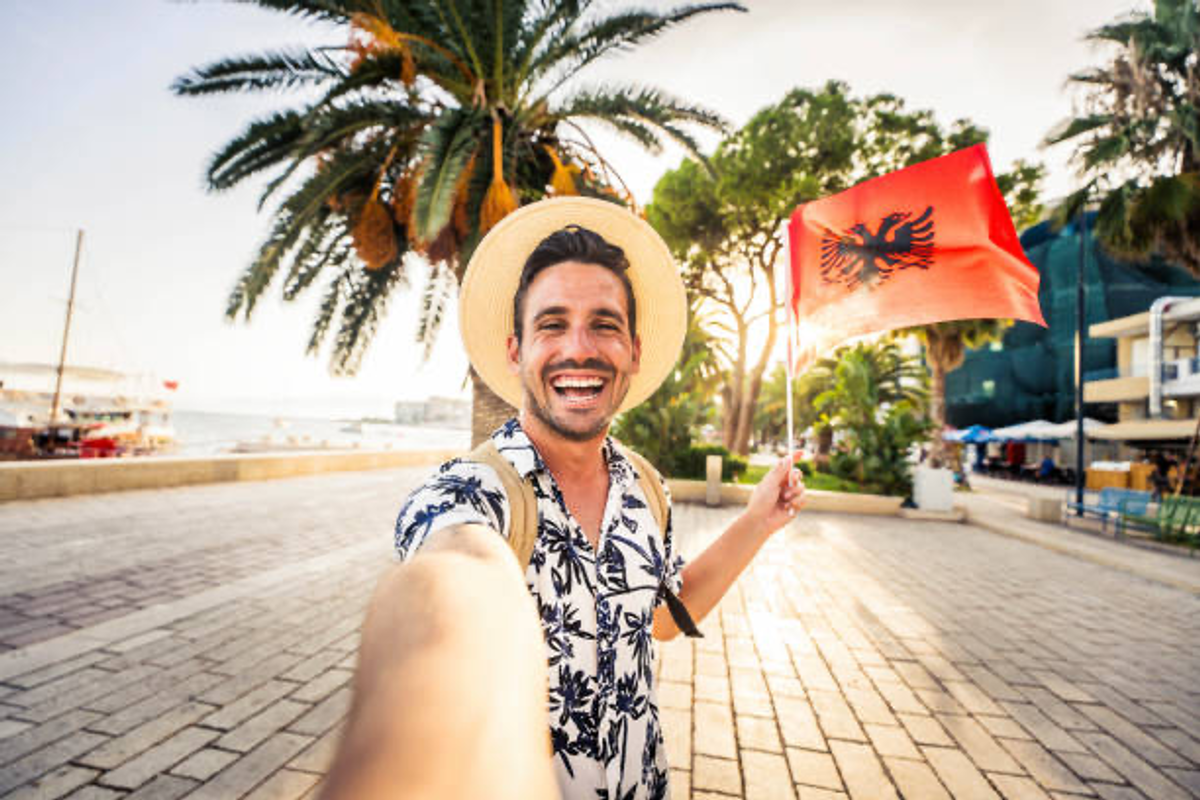
Saturday 14 March Summer Day in Albania

Summer Day is a pagan festival whose observation and traditions originated in the region around Elbasan, in central Albania.

On the outskirts of the city, a shrine was built to Zana, the goddess of hunting, forests, and nature. The tradition was that Zana would come out of the shrine after her winter hibernation on March 14th.

At the time when the traditions of Summer Day became established, March was the first month of the year. In Romania and some other countries in Eastern Europe, the first day of Spring is celebrated on March 14th. In the sixteenth century, the adoption of the Gregorian calendar added 13 days, moving Summer Day away from March 1st.

A traditional food to eat on Summer day is Ballokume, an Albanian biscuit, originating from the city of Elbasan. It is made from cornflour, eggs, sugar, and sugar mixed in a copper bowl.

Summer Day has been a public holiday in Albania since 2004.

Friday 13 March Chapchar Kut in Mizoram

In this part of India, farming involves Jhumming, which is a system of rotating which fields are used for planting each year. This means that each new growing season brings some heavy-duty jungle clearing, chopping down and burning bamboo and trees to make the ground ready for a new crop.

In the 15th century, a tradition of taking a well-earned break and relaxing for a few days after the clearing work began.  In those days, the festival could last for days and in the run-up to the grand finale, the traditions of the festival were established. What was also established was that this is primarily a festival of joy. Though it was never heavily religious, as the state and Mizo people moved away from traditional beliefs to become Christian, the festival fell out of favour. It was revived in the 1960s and 1970s.

Today it has grown to be the biggest of the Mizo festivals – the other two big festivals are also agricultural – Mim Kut and Pawl Kut.

And although the role of alcohol has been reduced in this dry state, the gaiety and fervour of Chapchar Kut still shines through with plenty of dancing and music to keep everyone in good spirits.

Chapchar Kut takes place on the Assam Rifles ground in Lammual and involves around 15,000 performers and most of the spectators also get involved in proceedings – particularly Chai, the last dance of the festival.

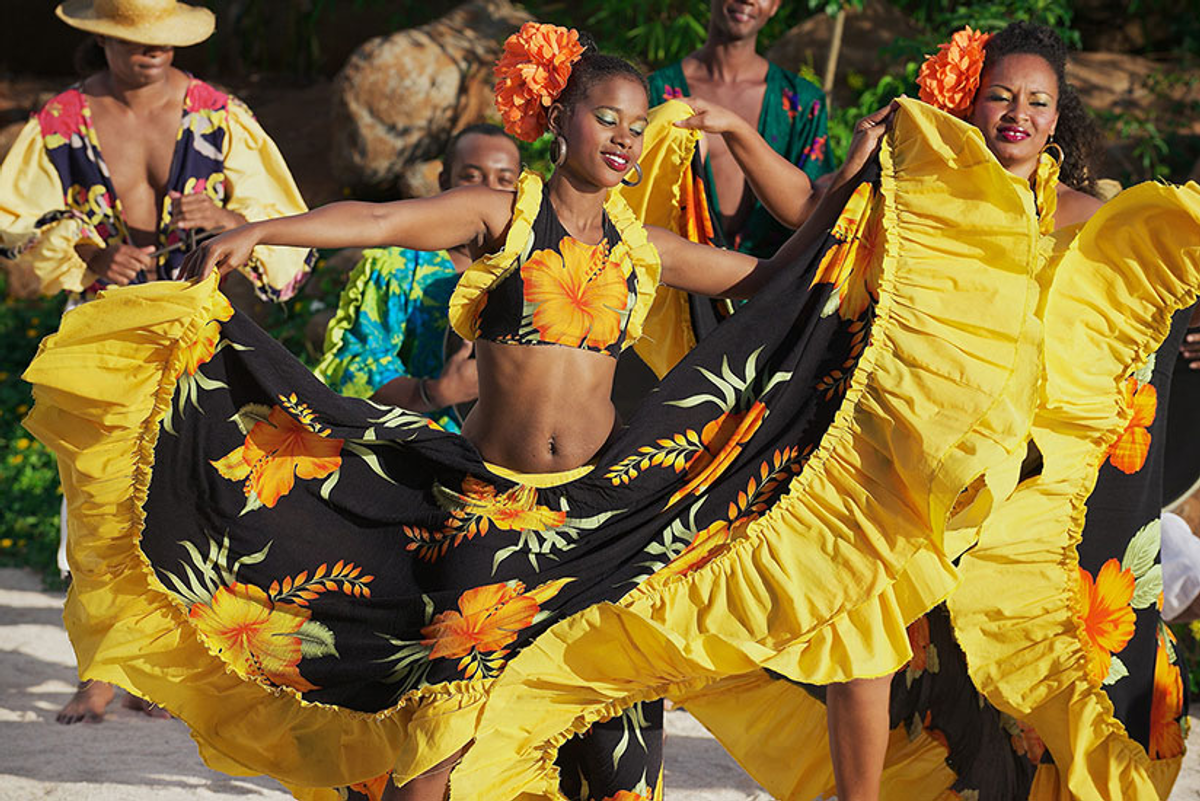
Thursday 12 March Independence and Republic Day in Mauritius

Due to its strategic position, Mauritius was a prized target for European countries looking to establish control and trade routes in the Indian Ocean. Mauritius passed through Dutch, French and finally British control, becoming a colony of Britain in March 1810.

Mauritius was named by the Dutch in honour of Prince Maurits van Nassau in the 17th century.

In 1959, British Prime Minister Harold Macmillan had given his famous ‘Winds of Change’ speech, stating the British government’s intention to give independence to many of its overseas colonies. This led to an increasing call within Mauritius for self-rule.

The elections of 1966 resulted in a victory for an alliance of the Mauritius Labour Party and other self-rule parties.

On March 12th 1968, Mauritius adopted its new constitution and gained independence as a constitutional monarchy. Queen Elizabeth II remained head of state and Sir Seewoosagur Ramgoolan became the first Prime Minister of Mauritius.

Exactly twenty-four years later, on March 12th 1992, Mauritius was proclaimed as a republic within the British Commonwealth.

To mark National Day, Mauritians will show their pride in their nation by displaying their colourful flag across the island. An official flag-raising ceremony takes place with military parades and live music.

Wednesday 11 March Moshoeshoe I’s Day in Lesotho

King Moshoeshoe I is considered the father of Lesotho. He reigned from 1822 – 1870, founding Basutoland to unite the tribes in the area in order to defend themselves from attacks by the Zulus.

Never suffering a major military defeat, Moshoeshoe was able to resist colonialism efforts of the Boer trekkers from the Orange Free State and although Basutoland became a British colony, Moshoeshoe was able to keep his country separate from British South Africa and Apartheid South Africa. 

Ongoing border disputes with the Boers were resolved at the Treaty of Aliwal in 1869, bringing stability to his Moshoeshoe’s Kingdom.

King Moshoeshoe I was given a wool blanket as a gift in 1860 and was so taken with it that he abandoned his traditional leopard-skin kaross (cloak), popularizing the iconic Basotho blanket worn in Lesotho today and during the holiday’s events. 

Moshoeshoe died on March 11th 1870.